All Categories
Featured


Proven Business Success Stories in the US
Table of Contents
Comprehensive assessment of sectors guides investment choices and capital allocation to maximize returns over full market cycles. Based upon studies performed by 'NASSCOM Strategic Review 2021' and 'McKinsey & Business: The Increase Of India's IT Sector 2020'; it was found that the IT Sector of the country has been an important contributor for the nation's GDP and work.
During the research, it was found that encouraging government policies and skilled employees handled to progress and enhance the IT sector. A crucial insight was learnt through the papers that during the decade of 2010 and 2020; Nifty IT managed to outperform the Nifty 50 by growing roughly 7% each year.
Sector Analysis involves examining whole markets and sectors rather than private business. The objective is to recognize sectors that are most likely to outshine the total market, as well as those that in some cases underperform.
Utilizing Competitive Research to Drive Business Results
Experts likewise evaluate the sector's position in business cycle. Sectors in the early phases of growth often provide the most possible. Sector analysis aims to determine the sectors best placed for development, permitting investors to tilt their portfolios towards locations of strength in the economy. It offers a macro perspective on the markets instead of simply looking at individual stock basics.
A research study called 'Sector Analysis And Portfolio Optimization In The Indian Stock Market' was performed and released by 'Journal Of Possession Management'. The findings concluded that just by welcoming sector analysis throughout the develop up of the financial investment portfolio, the portfolio sustained an increase in roi by the margin of 2 3 % each year and the risk decreased by 1 2 % compared to non sectoral portfolios.
By analyzing different sectors, financiers recognize markets and companies that are poised to surpass or underperform the broader market based upon where we remain in business cycle. Different sectors perform differently in various market environments. Sector analysis if incorporated in various financial investment methods has found to be useful for the investment portfolio.
[target1:anchor_exact1]How Data-Driven Campaigns Improve ROI
The organization cycle describes the cyclical expansions and contractions of economic activity. The cycle includes 4 main phases growth, peak, contraction, and trough. During the growth phase, financial activity accelerates as production and demand increase. This leads to strong development in GDP, falling unemployment, and rising corporate earnings.
Economic activity strikes its optimum sustainable level at the peak before beginning to decrease. The contraction phase consists of declining financial activity as production, need, and corporate earnings begin to fall. GDP development turns unfavorable, joblessness increases, and the economy goes into economic crisis. The trough marks the end of the contraction when financial activity strikes its lowest point before beginning to recover once again.
A research study was carried out, named as 'A Comparative Study of Sectoral Efficiency Throughout Economic Economic Crisis in India' by an organization called 'Cost-effective and Political Weekly'. The papers released reflected that during the recession phase of India, the Truth Sector skilled decreases upto 25% whereas the FMCG Sector managed to decline only upto 5%.
Current Performance Reports for Modern Sectors
The main objective of sector analysis is to assist companies or financiers make notified decisions by supplying insights into market demand, competitors, chances, hazards, and patterns in order to develop strategies that profit from strengths while resolving weak points. There are eight crucial objectives of carrying out sector analysis. At its core, sector analysis guides vital by offering insights into market characteristics.
For companies, sector insights direct high-level tactical decisions on new market entry, collaborations, competitor responses, and resource allocation. Evaluating sectors allows financiers and companies to. Researching companies within a sector assists determine direct and indirect competitors.
Key Growth Benchmarks for US Sectors
This guides choices on which sectors or business to concentrate on. Macroeconomic factors have potential to affect the efficiency of sectoral indices. A research study put forward by Journal of Economic Policy and Research study released that a portion of modification in rate of interest caused a 2.5% change in the banking sector whereas this 1% modification in interest rate resulted in only 1.8% change in the truth sector.

Latest Posts

Why Data-Driven Analytics Will Shape ROI for 2026
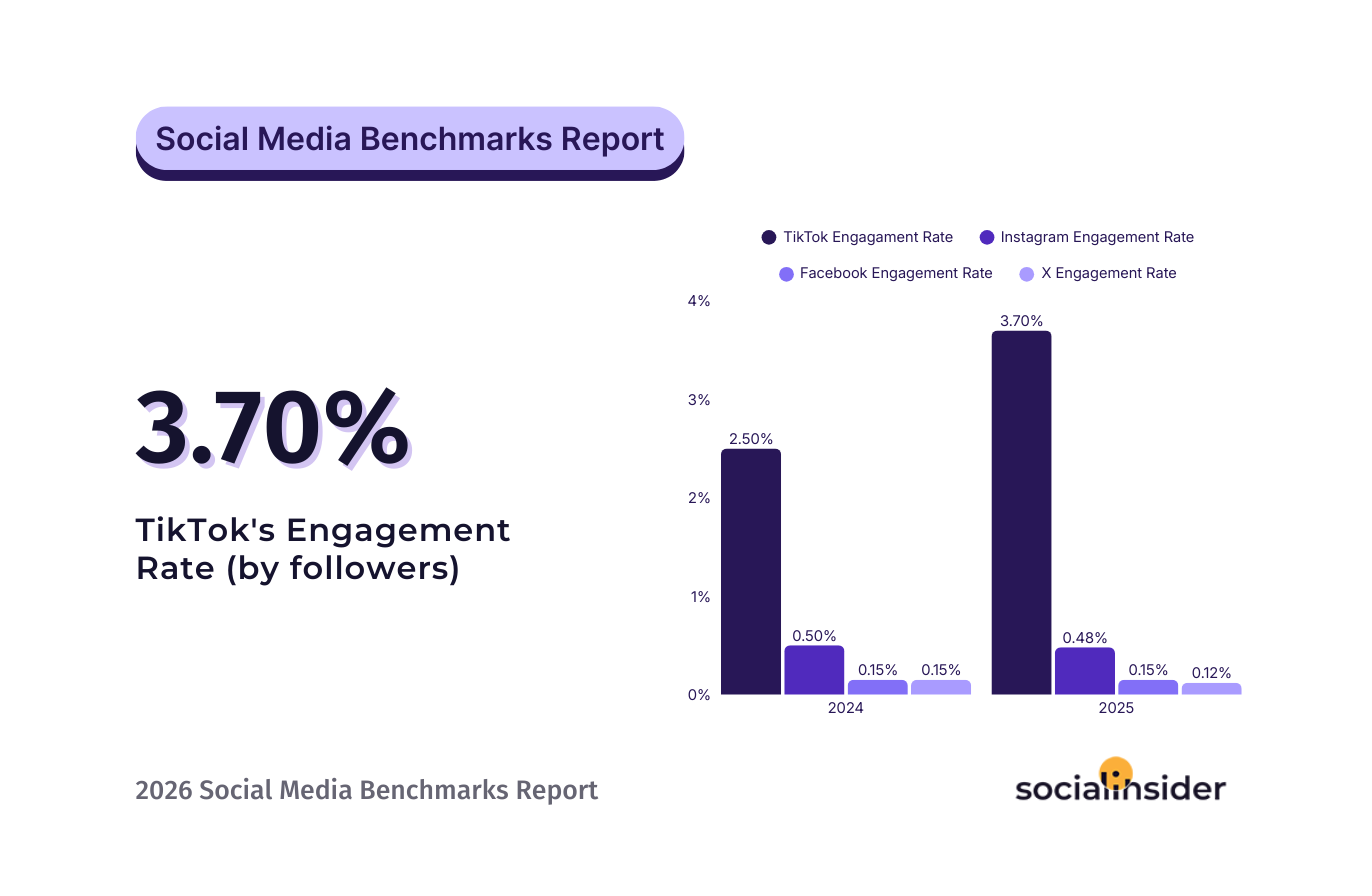
Why Data-Driven Analytics Will Shape Marketing in 2026

Reviewing Sector Growth Benchmarks to Reach New Targets